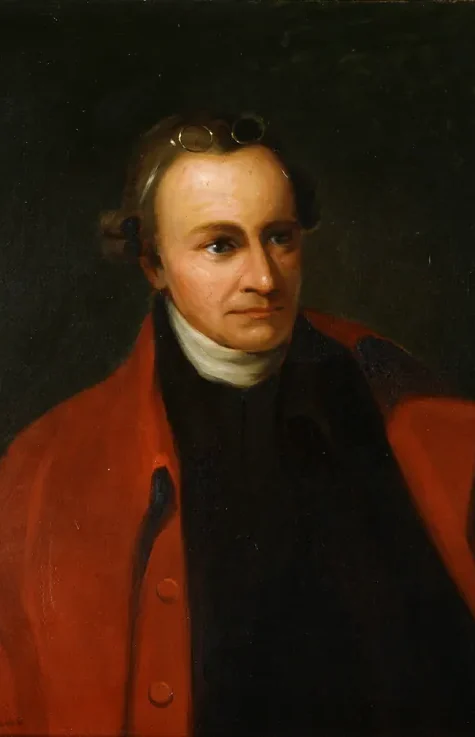
Cover of Give Me Liberty or Give Me Death by Patrick Henry

Give Me Liberty or Give Me Death

8m
Duration
1775
Published

Patrick Henry delivered his most famous speech on March 23, 1775, before the Second Virginia Convention in Richmond. The delegates were debating whether to raise a militia against British troops, and many still hoped for reconciliation with the Crown. Henry argued that petitions, protests, and appeals had already failed, that Britain had answered colonial complaints with armies and fleets, and that further delay would only leave the colonies weaker. He treated the conflict as already underway in fact, if not in formal declaration, and urged Virginia to arm itself while there was still time.


The speech builds to a rejection of peace bought at the cost of submission. Henry asked whether life or peace was worth chains and slavery, then closed with the line that made the address famous: he did not know what course others would take, but as for himself, “give me liberty, or give me death.” The convention adopted his resolutions, and the speech became a defining statement of the revolutionary case that liberty was worth the risk of war.
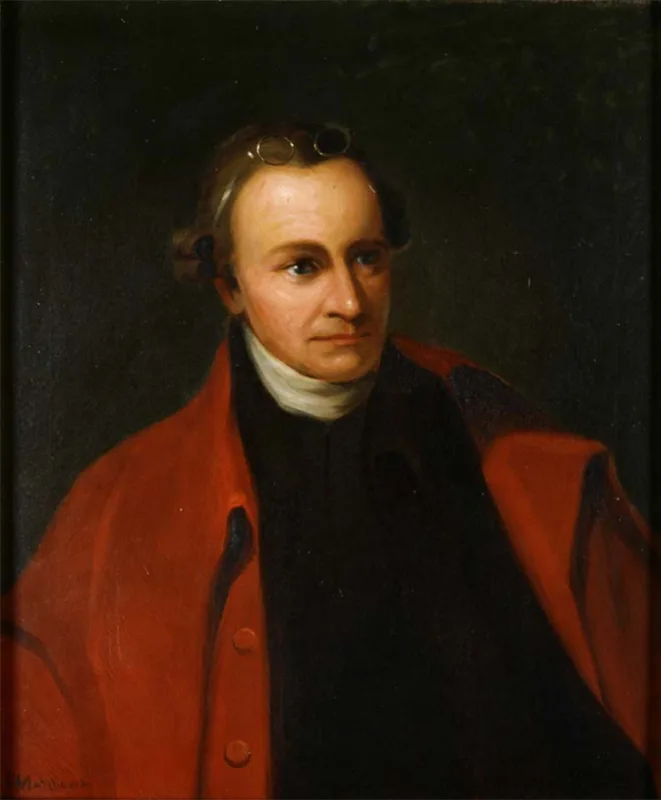
Portrait of Patrick Henry

Patrick Henry was born on May 29, 1736, at Studley plantation in Hanover County, Virginia. The son of a Scottish-born planter and surveyor, he received limited formal schooling but was tutored by his father in the classics. As a young man, Henry struggled with early ventures as a storekeeper and farmer. After marrying Sarah Shelton in 1754 and starting a family, he turned to the law, studying briefly on his own before gaining admission to the Virginia bar in 1760. He quickly built a reputation as a gifted orator and trial lawyer, notably in the Parsons’ Cause case of 1763, where his fiery arguments against British authority gained public attention. Elected to the Virginia House of Burgesses in 1765, Henry soon emerged as a bold critic of British policies, introducing resolutions against the Stamp Act and declaring that only colonial legislatures could tax Virginians.

Henry’s most famous moment came on March 23, 1775, at the Second Virginia Convention in St. John’s Church, Richmond. In a passionate speech urging military preparedness against Britain, he delivered the immortal words: “I know not what course others may take; but as for me, give me liberty or give me death!” The address helped sway the convention to support arming Virginia’s militia just weeks before the Revolutionary War began. He served as a delegate to the Continental Congress, commanded Virginia militia briefly, and became the state’s first post-independence governor in 1776 (serving again from 1784 to 1786). A staunch defender of states’ rights and individual liberties, Henry later opposed ratification of the U.S. Constitution in 1788 as a leading Anti-Federalist, arguing it created too powerful a central government; his criticisms contributed to the addition of the Bill of Rights.

In his final years, Henry largely retired to his Red Hill plantation but returned briefly to politics at George Washington’s urging. He died of stomach cancer on June 6, 1799, at age 63, before he could take a newly elected seat in the Virginia House of Delegates. Remembered as one of the most eloquent voices of the American Revolution, Henry embodied the spirit of liberty through his powerful oratory and unwavering commitment to colonial rights and self-government.

  1. Give Me Liberty or Give Me Death8:00

Chapter-by-chapter navigation and listening progress are available in the member library.