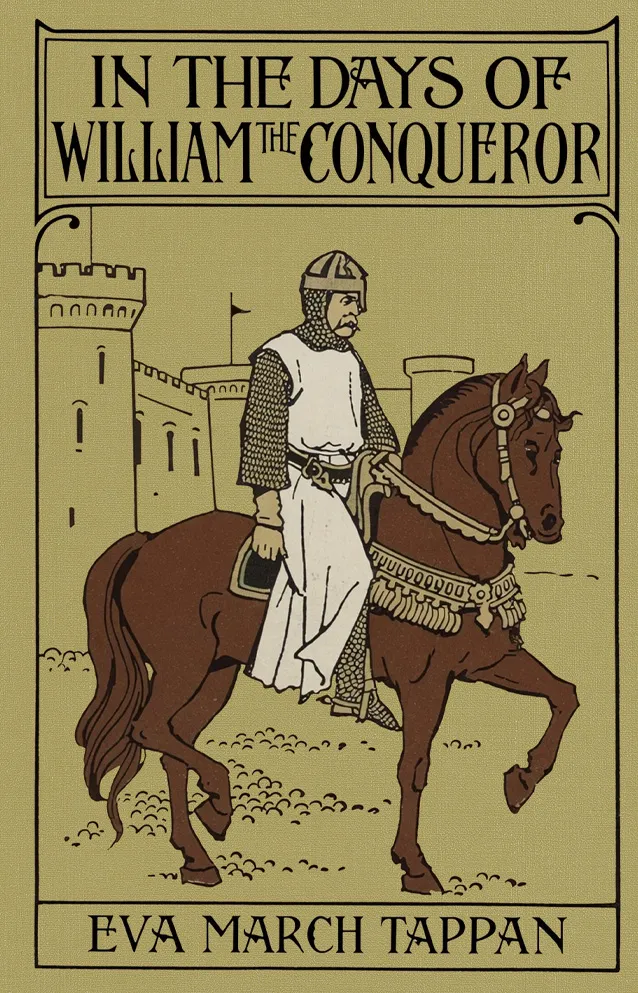
Cover of In the Days of William the Conqueror by Eva March Tappan Coming Soon
Makers of England Series

In the Days of William the Conqueror

This title is in production and will be available to all active subscribers the day it is released.
Coming Soon Browse the Library

In the Days of William the Conqueror is a dynamic narrative biography that immerses readers in the turbulent 11th century, focusing on the ambitious Norman duke who transformed England. Tappan begins with William's perilous boyhood in Normandy, marked by feudal rivalries, assassination attempts, and his early displays of courage and leadership after being knighted. She traces his rise as a skilled warrior and strategist, his claim to the English throne based on his relationship with Edward the Confessor, and the pivotal events leading to the Norman Conquest—including the famous Battle of Hastings in 1066, where William's disciplined forces defeated King Harold.

The book explores William's reign as King of England, detailing his efforts to consolidate power through castles, the Domesday Book survey, legal reforms, and blending Norman and Saxon elements into a stronger realm—though not without resistance and harsh measures like the Harrying of the North. Tappan's engaging style highlights themes of determination, justice, and cultural change, portraying William as a formidable yet visionary ruler whose conquest laid foundations for medieval England.
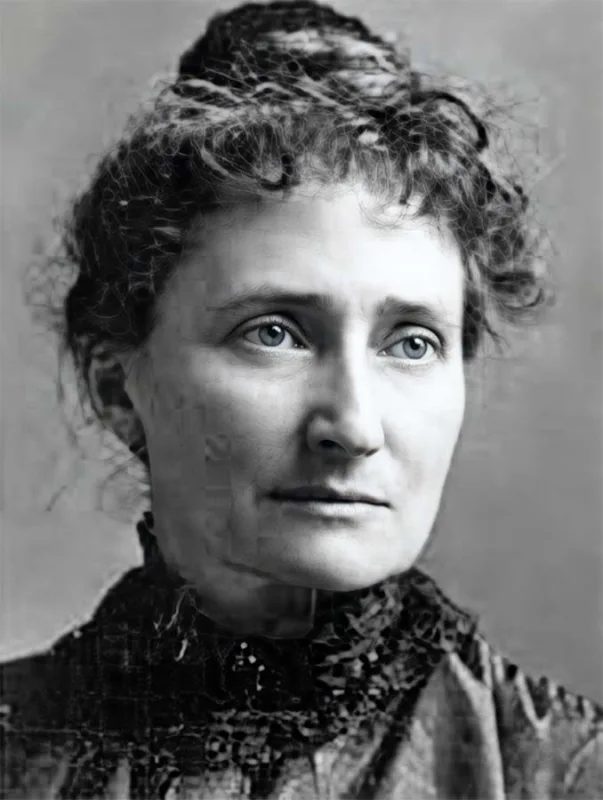
Portrait of Eva March Tappan

Eva March Tappan was born on December 26, 1854, in Blackstone, Massachusetts, as the only child of Reverend Edmund March Tappan and Lucretia Logee Tappan. Eva grew up in a religious household, where she developed an early passion for learning and literature. She pursued higher education at Vassar College, graduating with an A.B. in 1875, and later earned an A.M. from the University of Pennsylvania. Her academic background and commitment to education shaped her lifelong career as both a teacher and a writer dedicated to making knowledge accessible, particularly to young readers. In a Vassar College encyclopedia entry profiling her as an alumna, class of 1875, Tappan is quoted describing her own interests and approach to life, which ties directly into her prolific writing career: "I like to write, to read, to keep house, to travel, to climb mountains, to use tools, to do everything and especially to be alive. I like all animals and most people." What a quote, one can’t help but be intrigued with such a woman.

After completing her studies, Tappan embarked on a teaching career, serving as an instructor and eventually as a professor of English at various institutions, including a notable period at Vassar and later in Worcester, Massachusetts. She taught literature and composition, instilling in students the same enthusiasm for stories and history that defined her work.

In 1904, she retired from full-time teaching to focus more on her passion for writing, though her educational ethos continued to guide her prolific endeavors. Tappan became one of the most influential American authors of educational literature in the early 20th century, producing over 45 books primarily aimed at children and young adults. Her works included engaging historical biographies, such as the popular In the Days of series, covering figures like Queen Victoria, Alfred the Great, and William the Conqueror. Eva March Tappan crafted engaging histories that seamlessly connected American experiences to broader European traditions, spanning from the early days of exploration to medieval times. Her works include American Hero Stories, covering key figures and events from 1492 to 1865, The Little Book of the Flag, and Letters from Colonial Children for the American side, alongside European-focused titles such as Heroes of the Middle Ages and When Knights Were Bold. Written in a clear, narrative style, her books served as textbooks and supplementary reading in schools, making complex subjects like history, biography, and literature approachable and inspiring for grade-school and high-school students.

Eva March Tappan passed away on January 29, 1930, in Worcester, Massachusetts, due to Parkinson's disease. Her legacy endured through her extensive body of work, which continued to educate generations of readers.