 Coming Soon
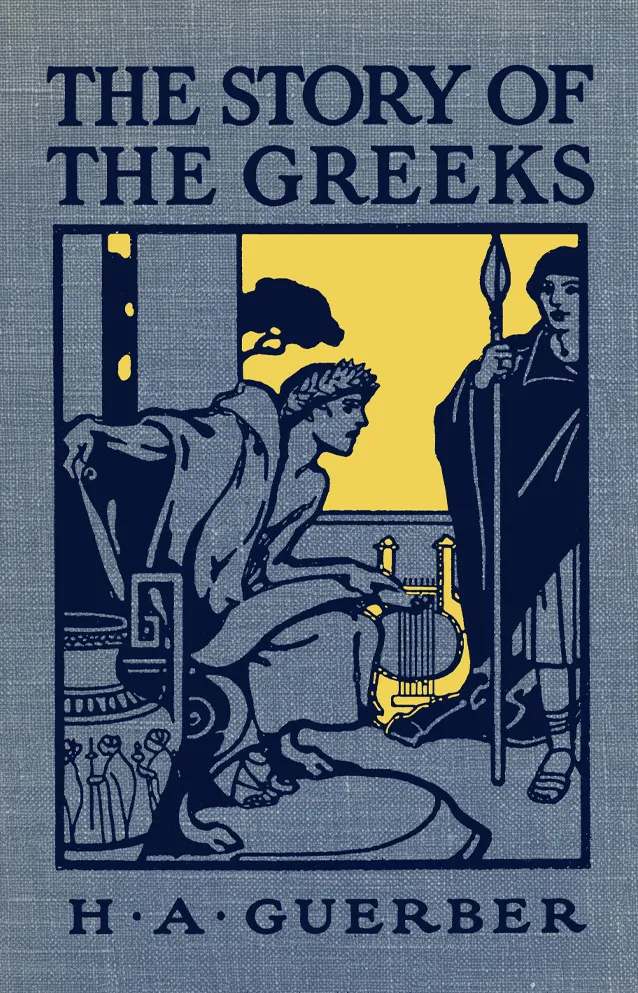
The Story of the Greeks
The Story of the Greeks is a lively, anecdote-driven introduction to ancient Greek history and mythology, designed especially for young readers as either supplementary reading or a first history text. It opens with the land's early Pelasgian inhabitants and weaves in classic legends such as the quests of Jason and the Argonauts, Theseus's battle with the Minotaur, the tragic tale of Oedipus, and the full drama of the Trojan War—including Achilles' wrath, Hector's death, and the city's fall. The narrative then shifts to historical developments, vividly contrasting the austere, disciplined society of Sparta (with its famous laws of Lycurgus, rigorous training, and heroes like Leonidas at Thermopylae) against the more cultured and democratic Athens.
The book continues through pivotal events like the Persian invasions (Marathon, Salamis, and Plataea), the Peloponnesian War, the philosophical teachings of Socrates and others, the rise of Macedon under Philip, and the dazzling conquests of Alexander the Great across Persia, Egypt, and India. It traces the subsequent Hellenistic fragmentation, key figures like Demosthenes, and Greece's eventual incorporation as a Roman province. Throughout, Guerber highlights inspiring examples of courage, patriotism, perseverance, and virtue, using personal stories to make complex history engaging and memorable while underscoring Greece's profound legacy in Western civilization.
Audiobook
The Story of the Romans
The Story of the Romans is an elementary history written in the same engaging, anecdote-rich style as her Story of the Greeks, aimed at…
Audiobook · 1901
Insect Life
Insect Life, the sixth and final volume in Arabella Buckley's beloved Eyes and No Eyes series, concludes the children's exploration of the…
Audiobook · 1910
Calvert of Maryland: A Story of Lord Baltimore's Colony
Calvert of Maryland: A Story of Lord Baltimore's Colony is a children's historical fiction narrated by young George Calvert (a fictional…