 Coming Soon
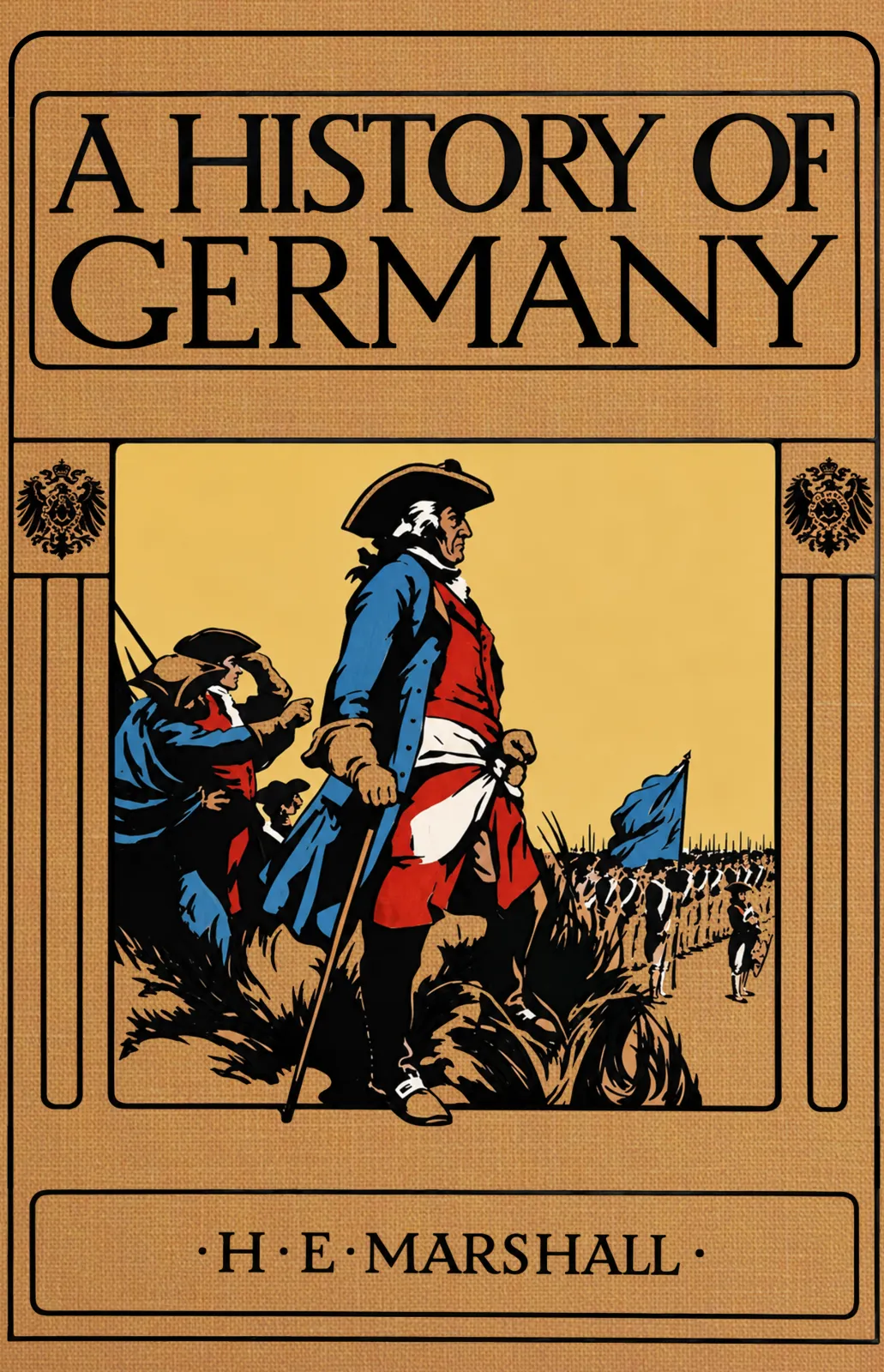
A History of Germany
A History of Germany by H. E. Marshall is a narrative history written for young readers, in the same accessible, story-driven style as her better-known Our Island Story. It begins with early Teutonic legends and the Germanic tribes’ encounters with Rome (including figures such as Ariovistus and the national hero Hermann/Arminius), then follows the migrations of the Germanic peoples, the rise of the Franks, and the unification of much of western Europe under Charlemagne, which Marshall presents as the foundation of the Holy Roman Empire. The bulk of the book traces the medieval and early modern emperors and dynasties—Saxon, Salian, and Hohenstaufen (notably Frederick Barbarossa and Frederick II)—through struggles with the papacy, the investiture controversy, the Great Interregnum, and the gradual weakening of imperial authority into a loose confederation of states.
Marshall continues through the Habsburg era, the Reformation and Peasants’ War under Charles V, the devastation of the Thirty Years’ War, the rise of the House of Brandenburg/Prussia (including Frederick the Great and the Seven Years’ War), Germany’s humiliation under Napoleon, the Wars of Liberation, and the subsequent rivalry between Austria and Prussia. The narrative culminates in the unification of Germany under William I in 1871, with Bismarck as the key statesman, followed by the brief reign of Frederick III and the accession of William II. Written on the eve of the First World War, the book ends with Germany portrayed as prosperous, united, and at peace with Europe, emphasizing brave deeds and national stories in a manner intended to foster understanding among young readers.
Audiobook · 1908
Our Empire Story
Our Empire Story (sometimes issued in American editions as An Empire Story: Stories of India and the Greater Colonies Told to Children) is…
Audiobook · 1906
Scotland’s Story
Scotland’s Story: A History of Scotland for Boys and Girls, first published in 1906 by Henrietta Elizabeth Marshall, is a classic…
Audiobook · 1901
Insect Life
Insect Life, the sixth and final volume in Arabella Buckley's beloved Eyes and No Eyes series, concludes the children's exploration of the…