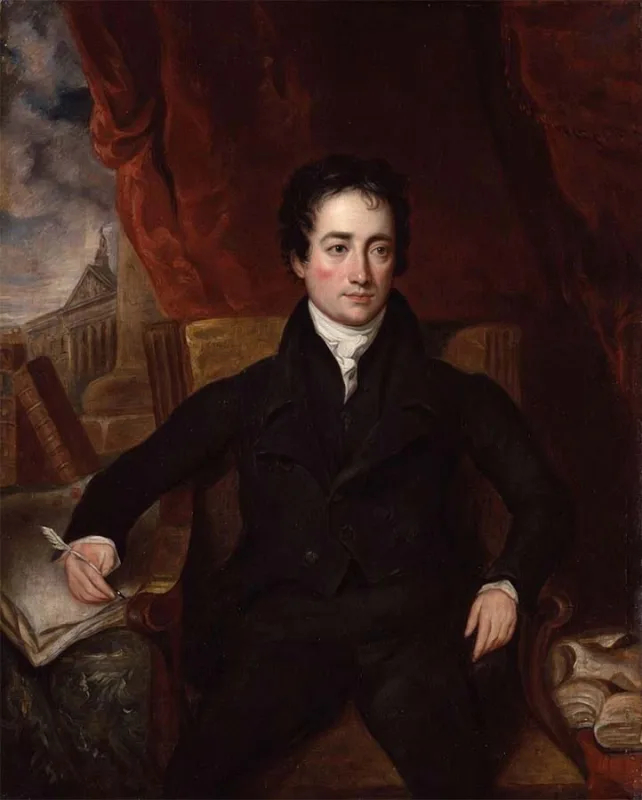
Charles Lamb was born on February 10, 1775, in London, England. Growing up in modest circumstances, Charles attended Christ's Hospital school, a prestigious charity institution, from 1782 to 1789. There, he formed a lifelong friendship with Samuel Taylor Coleridge, who encouraged his early interest in poetry. Due to a noticeable stammer, Lamb did not pursue university, instead entered clerical work. He briefly worked at the South Sea House before joining the East India Company in 1792, where he remained employed as a clerk for over three decades until his retirement in 1825. This stable but unfulfilling position provided the financial security that allowed him to pursue writing in his spare time.
A profound tragedy shaped much of Lamb's adult life. In September 1796, his sister Mary, exhausted from overwork and caring for their ailing parents, suffered a severe episode of mental illness and fatally stabbed their mother. Deemed temporarily insane, Mary was spared institutionalization largely because Charles, then only 21, vowed to take lifelong responsibility for her care. This commitment defined their close, interdependent relationship; they lived together in what Lamb described as a "kind of double singleness." Mary's periods of lucidity enabled collaboration, while her recurring instability brought ongoing anxiety and responsibility to Charles's life.
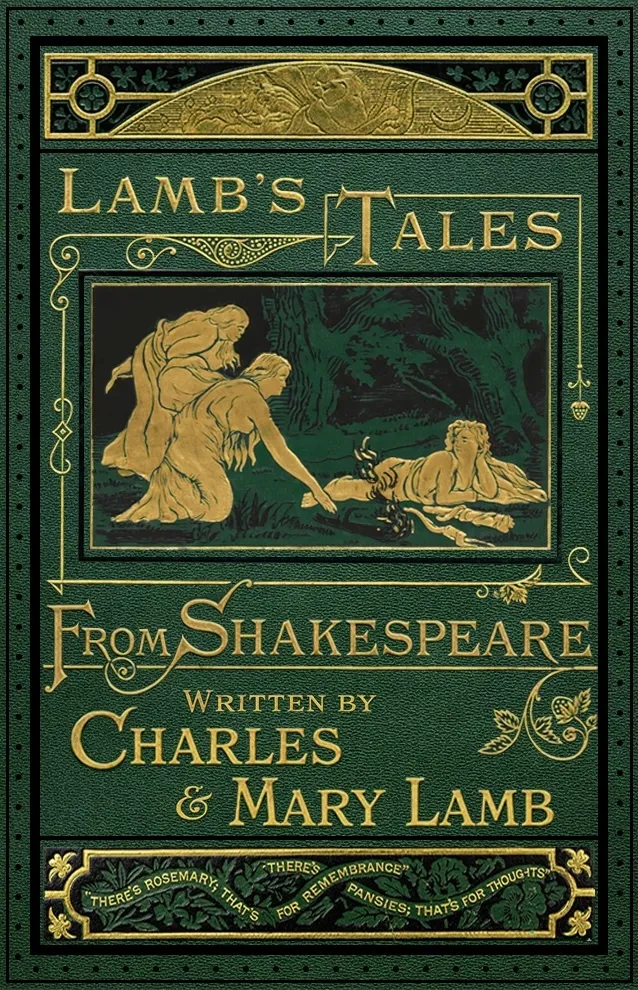
Despite these personal challenges, Lamb emerged as a significant literary figure during the Romantic era. He began publishing poetry in the 1790s, including contributions to Coleridge's collections, and produced works such as the prose romance A Tale of Rosamund Gray (1798) and the poetic tragedy John Woodvil (1802). His most enduring contributions came through essays and collaborative projects. With Mary, he co-authored Tales from Shakespeare (1807), a popular retelling of Shakespeare's plays for children that introduced generations to the Bard's works in accessible prose. Lamb's distinctive voice shone brightest in his personal, whimsical essays published in the London Magazine under the pseudonym Elia, later collected as Essays of Elia (1823) and The Last Essays of Elia (1833). These pieces, blending humor, nostalgia, introspection, and keen observation of everyday life, established him as one of England's finest essayists.
Lamb's later years were marked by both literary acclaim and deepening sorrow. The death of his close friend Coleridge in 1834 left him devastated. Shortly afterward, while walking near his home in Edmonton, Middlesex, Lamb slipped, grazed his face, and contracted erysipelas, a streptococcal infection. He died on December 27, 1834, at the age of 59. Remembered for his gentle wit, loyal devotion to his sister, and masterful essays that captured the warmth and quirks of ordinary existence along with his delightful retelling of Shakespeare plays, Charles Lamb remains a beloved figure whose personal hardships infused his writing with profound humanity and quiet resilience.
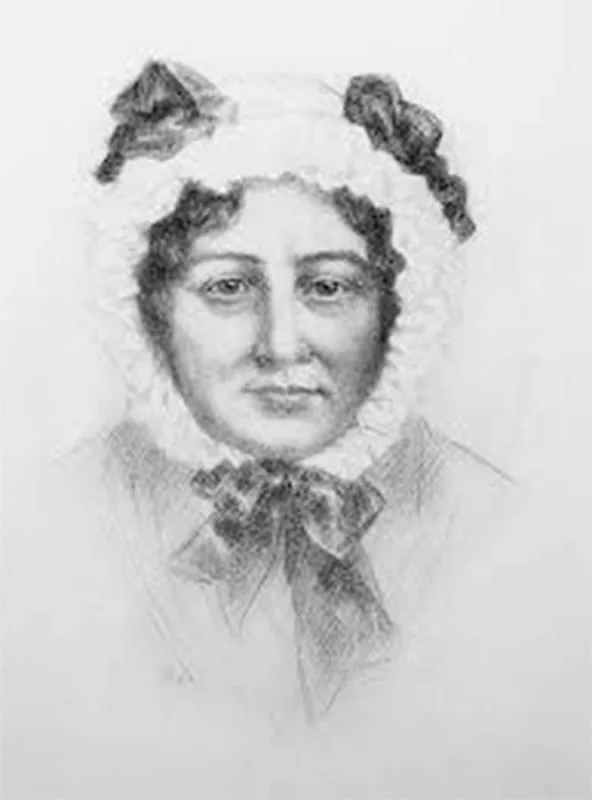
Mary Lamb was an English writer best known for her collaborative work with her younger brother, the renowned essayist Charles Lamb. Born on December 3, 1764, in London to a modest family—her father served as a clerk and valet in the Inner Temple—she received little formal education and supported her household from a young age through needlework and seamstress work. Her early life was marked by hardship, including caring for an invalid mother and ailing father after the family's employer died, leaving them in financial strain.
Despite these challenges, Mary was largely self-taught, developing a love of literature through access to books in her childhood environment. In 1807, she co-authored the enduring children's classic Tales from Shakespeare with Charles, adapting many of the Bard's plays into accessible prose narratives; Mary contributed significantly to the comedies, while also writing other works like Mrs. Leicester's School (1809) and poetry for children.
A profound tragedy defined much of Mary's adult life: in September 1796, during a severe mental breakdown—likely exacerbated by overwork, family burdens, and a hereditary predisposition to mental illness—she fatally stabbed her mother in a fit of mania. Declared insane rather than tried for murder, she was briefly confined to an asylum before being released into Charles's lifelong guardianship. The siblings formed an inseparable bond, living together and sharing a vibrant literary circle that included figures like Samuel Taylor Coleridge and William Wordsworth. Mary's recurrent episodes of illness required periodic institutional care, yet in her lucid periods she thrived creatively and socially.
After Charles's death in 1834, her condition worsened, and she spent her final years under care until her passing on May 20, 1847. She was buried in the same grave as her brother, their devoted partnership enduring as a poignant chapter in literary history.
 Coming Soon