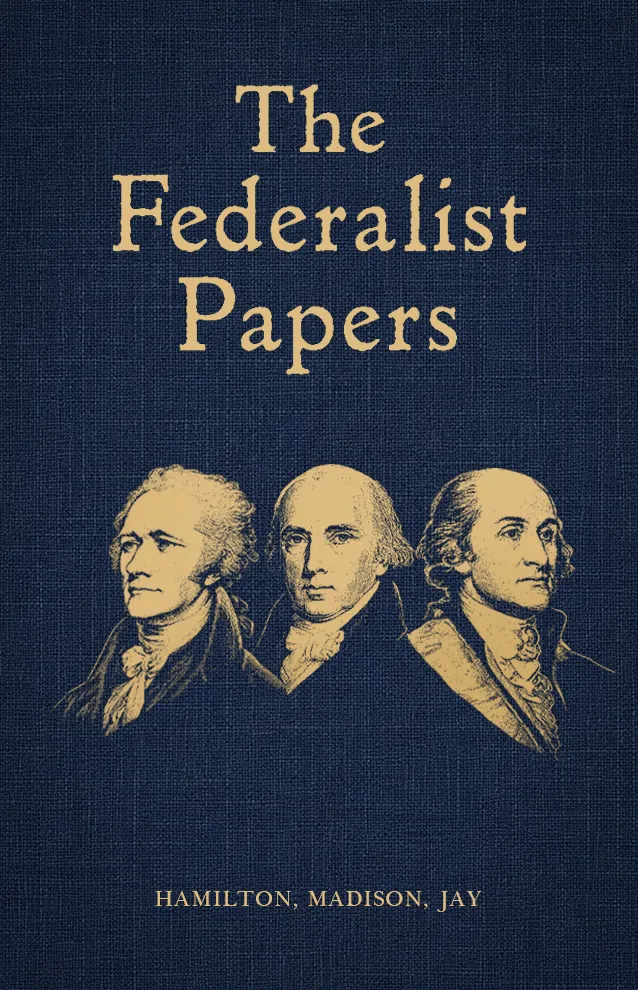
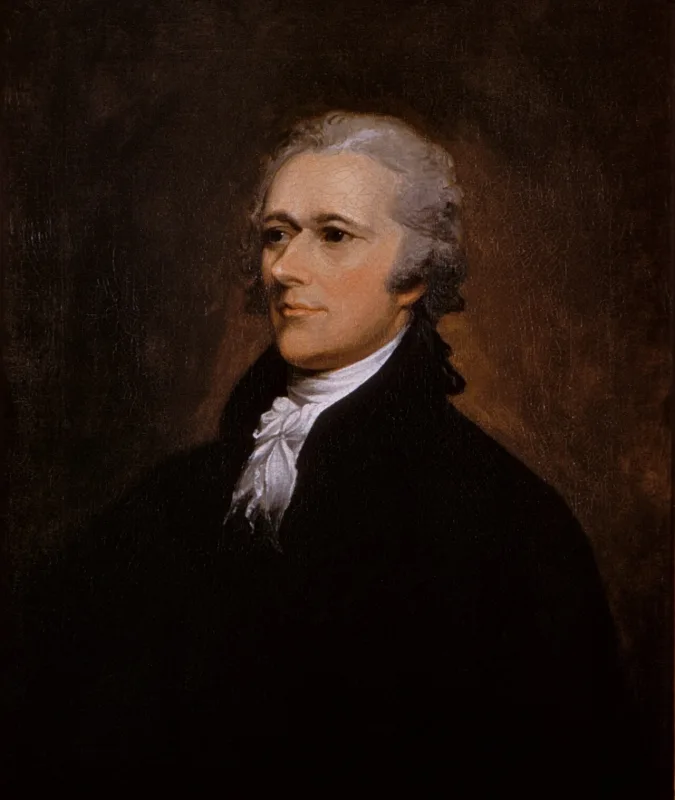
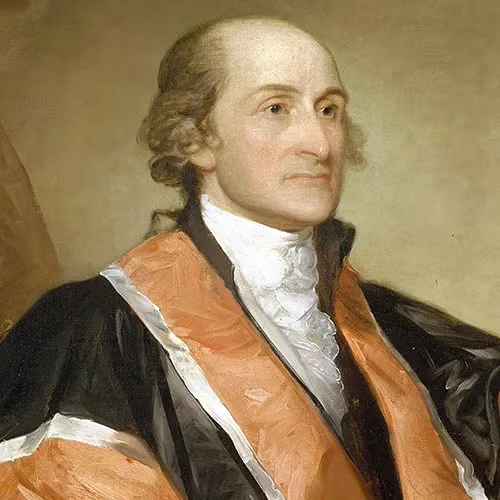
The Federalist Papers is a collection of 85 essays written by Alexander Hamilton, James Madison, and John Jay under the shared pseudonym “Publius.” Originally published serially in New York newspapers, the essays were crafted to persuade the people of New York—and by extension, other states—to ratify the newly proposed U.S. Constitution drafted in Philadelphia in 1787. At the time, the young nation was governed under the weak Articles of Confederation, and Anti-Federalist critics feared a strong central government would threaten liberty and state sovereignty. Hamilton (who wrote the majority), Madison, and Jay mounted a powerful, reasoned defense, explaining the necessity of union, the flaws of the existing system, and how the Constitution’s structure would create an energetic yet limited republican government.
The essays systematically address key themes: the benefits of a strong union for commerce, defense, and stability (Nos. 2–14); the inadequacies of the Articles of Confederation (Nos. 15–22); the need for an energetic federal government (Nos. 23–36); the principles of republican government and the separation of powers (Nos. 37–51); the structure of the proposed Congress, executive, and judiciary (Nos. 52–83); and the Constitution’s safeguards for liberty (Nos. 84–85). Famous entries include Madison’s Federalist No. 10 on controlling factions, No. 51 on checks and balances, and Hamilton’s discussions of judicial review and executive energy. Though written for a specific political moment, the Papers remain a classic of political philosophy and the most authoritative contemporary commentary on the original meaning and design of the U.S. Constitution.
- Introduction2:08
- No. 1 — General Introduction11:12
- No. 2 — Dangers from Foreign Force11:50
- No. 3 — Dangers from Foreign Force10:36
- No. 4 — Dangers from Foreign Force11:53
- No. 5 — Dangers from Foreign Force10:00
- No. 6 — Dangers from Dissension Between States15:45
- No. 7 — Dangers from Dissension Between States16:13
- No. 8 — Consequences of War Between States14:29
- No. 9 — The Union as a Safeguard Against Faction14:18
- No. 10 — The Union as a Safeguard Against Faction21:24
- No. 11 — Commercial Relations and a Navy17:39
- No. 12 — Revenue15:19
- No. 13 — Economy in Government6:51
- No. 14 — Objections on Extent of Territory14:49
- No. 15 — Insufficiency of the Confederation21:35
- No. 16 — Insufficiency of the Confederation14:06
- No. 17 — Insufficiency of the Confederation11:30
- No. 18 — Insufficiency of the Confederation15:45
- No. 19 — Insufficiency of the Confederation15:20
- No. 20 — Insufficiency of the Confederation12:14
- No. 21 — Other Defects of the Confederation14:08
- No. 22 — Other Defects of the Confederation24:04
- No. 23 — The Need for an Energetic Government12:36
- No. 24 — Powers for the Common Defense12:59
- No. 25 — Powers for the Common Defense13:55
- No. 26 — Restraining the Legislature on Defense16:06
- No. 27 — Restraining the Legislature on Defense9:54
- No. 28 — Restraining the Legislature on Defense11:08
- No. 29 — Concerning the Militia15:16
- No. 30 — The Power of Taxation13:48
- No. 31 — The Power of Taxation12:07
- No. 32 — The Power of Taxation10:28
- No. 33 — The Power of Taxation11:48
- No. 34 — The Power of Taxation15:02
- No. 35 — The Power of Taxation15:36
- No. 36 — The Power of Taxation19:47
- No. 37 — Difficulties of the Convention19:24
- No. 38 — Difficulties of the Convention22:51
- No. 39 — Conformity to Republican Principles18:33
- No. 40 — Powers of the Convention21:22
- No. 41 — General View of the Constitution's Powers25:08
- No. 42 — The Constitution's Powers, Continued19:51
- No. 43 — The Constitution's Powers, Continued24:32
- No. 44 — Restrictions on the States20:36
- No. 45 — Federal Power and the States14:55
- No. 46 — Federal vs. State Influence17:55
- No. 47 — Separation of Powers20:00
- No. 48 — Checks Among the Departments13:50
- No. 49 — Guarding Against Encroachment11:43
- No. 50 — Periodic Appeals to the People8:15
- No. 51 — Checks and Balances13:40
- No. 52 — The House of Representatives12:46
- No. 53 — The House of Representatives15:16
- No. 54 — Apportionment Among the States16:41
- No. 55 — Size of the House14:00
- No. 56 — Size of the House11:21
- No. 57 — Elevating the Few Over the Many15:17
- No. 58 — Growth of the House14:44
- No. 59 — Congress and Federal Elections12:55
- No. 60 — Congress and Federal Elections15:14
- No. 61 — Congress and Federal Elections10:15
- No. 62 — The Senate16:58
- No. 63 — The Senate21:18
- No. 64 — The Powers of the Senate15:47
- No. 65 — The Powers of the Senate13:47
- No. 66 — The Senate as Impeachment Court15:10
- No. 67 — The Executive Department11:43
- No. 68 — Electing the President10:15
- No. 69 — The Real Character of the Executive18:31
- No. 70 — Energy in the Executive23:24
- No. 71 — The Executive's Term11:39
- No. 72 — Re-Eligibility of the Executive14:17
- No. 73 — Executive Support and the Veto16:12
- No. 74 — Military Command and the Pardon Power7:11
- No. 75 — The Treaty-Making Power13:07
- No. 76 — The Appointment Power13:14
- No. 77 — The Appointment Power, Continued13:44
- No. 78 — The Judiciary Department21:01
- No. 79 — The Judiciary7:08
- No. 80 — The Powers of the Judiciary17:41
- No. 81 — Distribution of Judicial Authority25:53
- No. 82 — The Judiciary10:46
- No. 83 — The Judiciary and Trial by Jury38:41
- No. 84 — Miscellaneous Objections & the Bill of Rights26:50
- No. 85 — Concluding Remarks18:34
- Paidiea Closing0:35
Chapter-by-chapter navigation, listening progress, and bookmarks are available in the member library.
Audiobook
Foundations of Liberty
On the progression from Magna Carta to the Farewell Address of George Washington. The twelve documents traced here span almost six…
Audiobook · 1901
Insect Life
Insect Life , the sixth and final volume in Arabella Buckley's beloved Eyes and No Eyes series, concludes the children's exploration of the…
Audiobook · 1883
Home Education
Home Education is a foundational work of educational philosophy and practical guidance, originally delivered as lectures to parents and…