Texts to Keep
By Heart
The address, set for learning by heart.
- Color
- Print-friendly
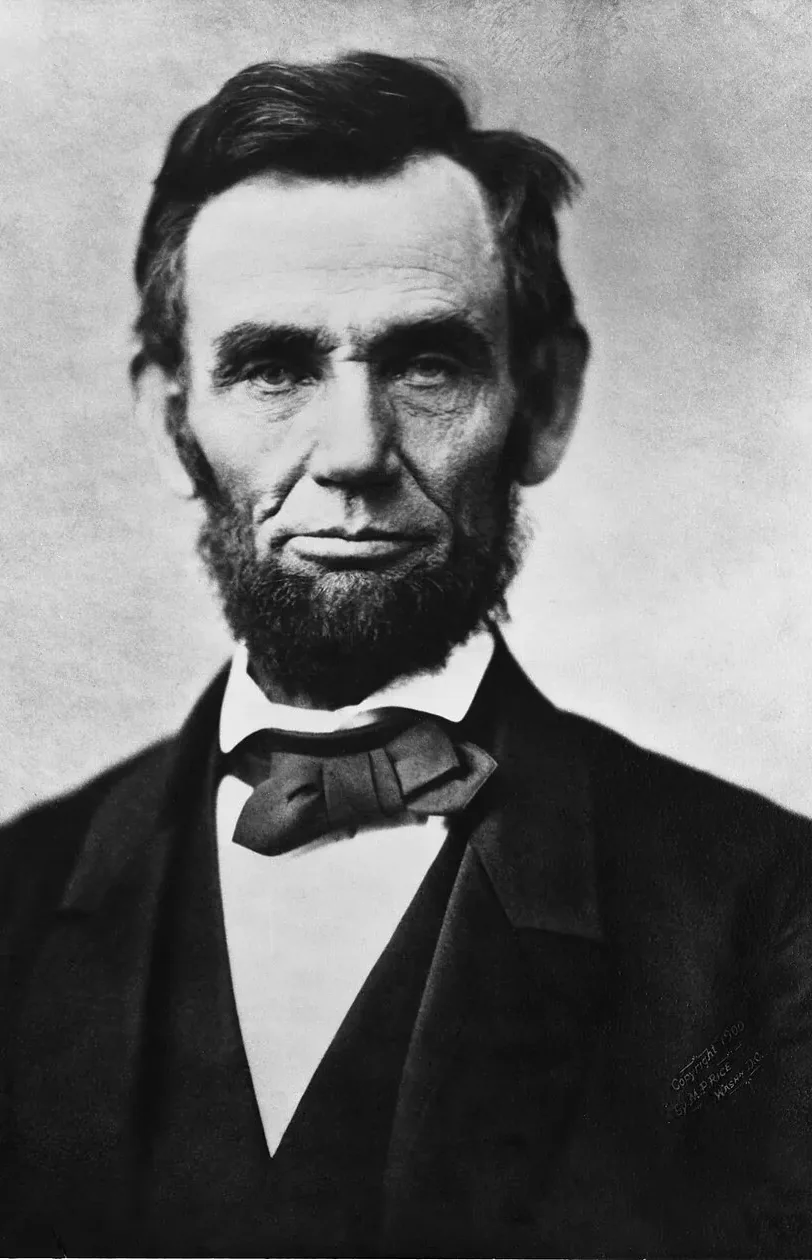
Abraham Lincoln delivered the Gettysburg Address on November 19, 1863, at the dedication of the Soldiers’ National Cemetery in Gettysburg, Pennsylvania, four months after the pivotal Battle of Gettysburg. In just 272 words, he opened by recalling the nation’s founding “four score and seven years ago” (1776) on the principle that all men are created equal, then framed the Civil War as a test of whether a democracy founded on those ideals could survive.
Lincoln explained that the living could not truly dedicate or consecrate the ground—the soldiers who fought and died there had already done so by their sacrifice. Instead, he called on the living to be dedicated to the unfinished work of the war: to ensure that the dead had not died in vain, that the nation would experience “a new birth of freedom,” and that “government of the people, by the people, for the people, shall not perish from the earth.” The speech elevated the conflict from a struggle to preserve the Union into a broader fight for equality and democratic self-government.
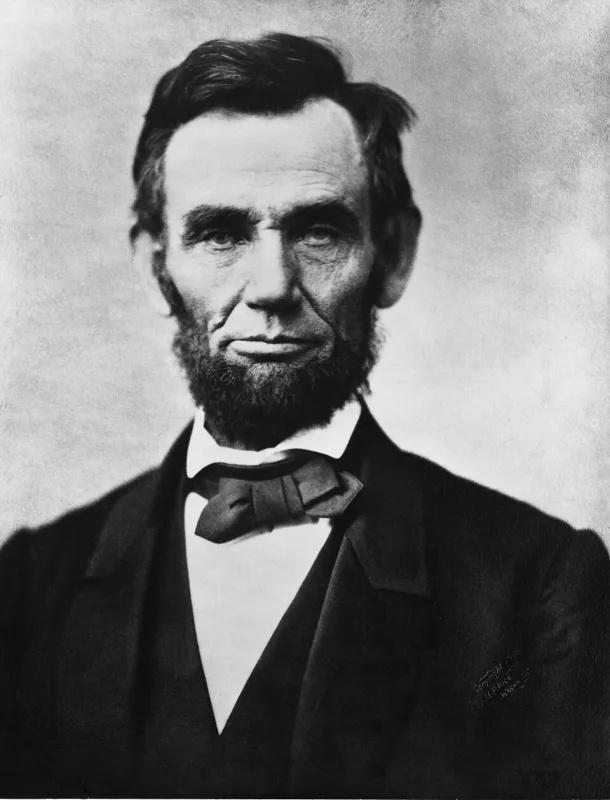
Chapter-by-chapter navigation and listening progress are available in the member library.
To print at home or open on your computer. Included with membership.
Texts to Keep
The address, set for learning by heart.
Companion materials come with membership, along with the entire collection.All the companion materials
Audiobook · 1775
Give Me Liberty or Give Me Death
Patrick Henry delivered his most famous speech on March 23, 1775, before the Second Virginia Convention in Richmond. The delegates were…
Audiobook · 1623
Saint Crispin's Day Speech
On the morning of the Battle of Agincourt, King Henry V addresses his badly outnumbered English army after a nobleman wishes aloud for more…
Audiobook · 1901
Insect Life
Insect Life, the sixth and final volume in Arabella Buckley's beloved Eyes and No Eyes series, concludes the children's exploration of the…