Ourselves
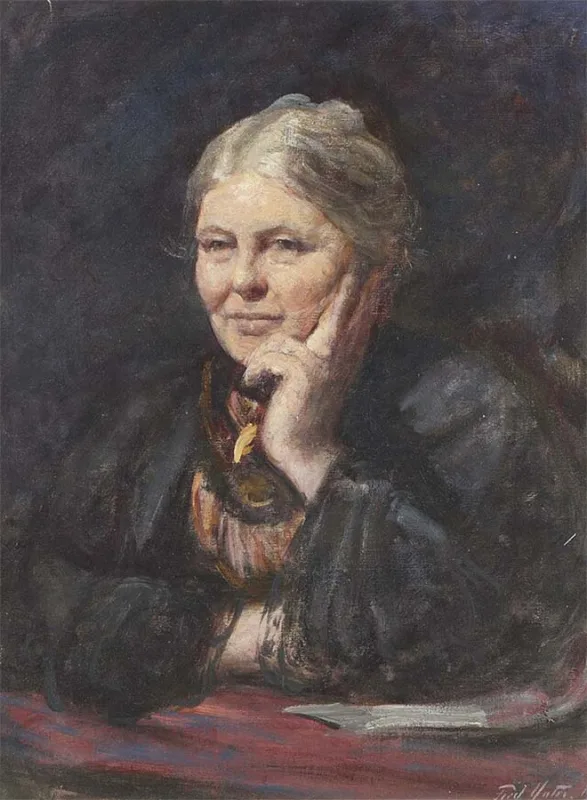
Charlotte Mason's Ourselves (Volume 4 of her Home Education Series), subtitled Ourselves, Our Souls and Bodies, stands apart from the previous volumes as it is written directly to children and young people (with Book I aimed at younger students around upper elementary/middle school ages and Book II for older ones). Using the extended allegory of "Mansoul"—a vast, intricate kingdom representing the inner person, complete with government, provinces, perils, and potential— Mason invites readers to explore self-knowledge and self-direction. The book emphasizes that every individual possesses immense possibilities and divine capacities, but also inherent tendencies toward both good and evil; the central duty of life is to govern this inner realm wisely, mastering oneself under God's law to become a person of strong character, moral integrity, and spiritual vitality. Rather than abstract philosophy, Mason speaks personally and accessibly to young readers, urging self-reverence, self-control, and a humble recognition that human nature is universal.
- Paideia Introduction1:59
- Preface4:56
- Introduction9:11
- The Country of Mansoul5:11
- The Perils of Mansoul6:22
- The Government of Mansoul3:22
- Esquires of the Body: Hunger5:46
- Esquires of the Body: Thirst3:54
- Esquires of the Body: Restlessness and Rest5:30
- Esquires of the Body: Chastity5:04
- Pages of the Body: The Five Senses15:24
- Ourselves3:06
- My Lord Intellect18:58
- The Dæmons of Intellect4:38
- My Lord Chief Explorer, Imagination9:59
- The Beauty Sense2:39
- My Lord Chief Attorney-General, Reason18:17
- The Lords of the Exchequer, The Desires (Part I)13:20
- The Lords of the Exchequer, The Desires (Part II)14:29
- The Ways of Love10:09
- Love's Lords in Waiting: Pity7:24
- Love's Lords in Waiting: Benevolence5:41
- Love's Lords in Waiting: Sympathy7:36
- Love's Lords in Waiting: Kindness6:49
- Love's Lords in Waiting: Generosity8:36
- Love's Lords in Waiting: Gratitude6:06
- Love's Lords in Waiting: Courage11:19
- Love's Lords in Waiting: Loyalty15:12
- Love's Lords in Waiting: Humility8:06
- Love's Lords in Waiting: Gladness8:09
- Justice: Universal6:48
- Justice to the Persons of Others17:59
- Truth: Justice in Word9:37
- Spoken Truth11:35
- Some Causes of Lying6:15
- Integrity: Justice in Action22:30
- Opinions: Justice in Thought13:37
- Principles: Justice in Motive5:47
- Justice to Ourselves: Self-Ordering22:59
- Vocation10:53
- Self-Direction: Introductory6:48
- The Court of Appeal6:20
- The Instruction of Conscience4:24
- Rulings of Conscience: Temperance14:53
- Rulings of Conscience: Chastity13:16
- Chastity: Ordered Friendship7:03
- Chastity: The Final Unchastity14:27
- Rulings of Conscience: Fortitude13:29
- Rulings of Conscience: Prudence11:59
- Conscience: Opinions "In the Air"5:39
- The Uninstructed Conscience14:18
- The Instructed Conscience5:18
- Instructors of Conscience: Poetry, Novels, Essays4:46
- Instructors of Conscience: History & Philosophy7:57
- Instructors of Conscience: Theology33:19
- Instructors of Conscience: Nature, Science, Art12:34
- Instructors of Conscience: Sociology, Self-Knowledge8:50
- Conviction of Sin10:43
- Temptation11:24
- Duty and Law7:34
- The Will-less Life5:28
- Will and Wilfulness14:56
- Will Not Moral or Immoral6:19
- The Will and Its Peers2:48
- The Function of Will6:07
- The Scope of Will7:45
- Self-Control & Self-Denial6:31
- The Effort of Decision6:42
- Intention, Purpose, Resolution8:28
- A Way of the Will9:11
- Freewill6:56
- The Capacities of the Soul5:24
- The Disabilities of the Soul7:46
- The Knowledge of God9:58
- Prayer4:19
- Thanksgiving4:28
- Praise4:40
- Faith in God9:35
- Paideia Closing0:37
Chapter-by-chapter navigation, listening progress, and bookmarks are available in the member library.
Next in the Series
Formations of Character
Charlotte Mason's Formation of Character (Volume 5 of her Home Education Series), originally titled Some Studies in the Formation of…
Audiobook · 1907
A Philosophy of Education
Charlotte Mason's A Philosophy of Education (Volume 6 of her Home Education Series), subtitled An Essay Towards a Philosophy of Education:…
From Our Essays
Charlotte Mason — A Gentle, Timeless Philosophy
An introduction to Charlotte Mason — the life and ideas behind this book.