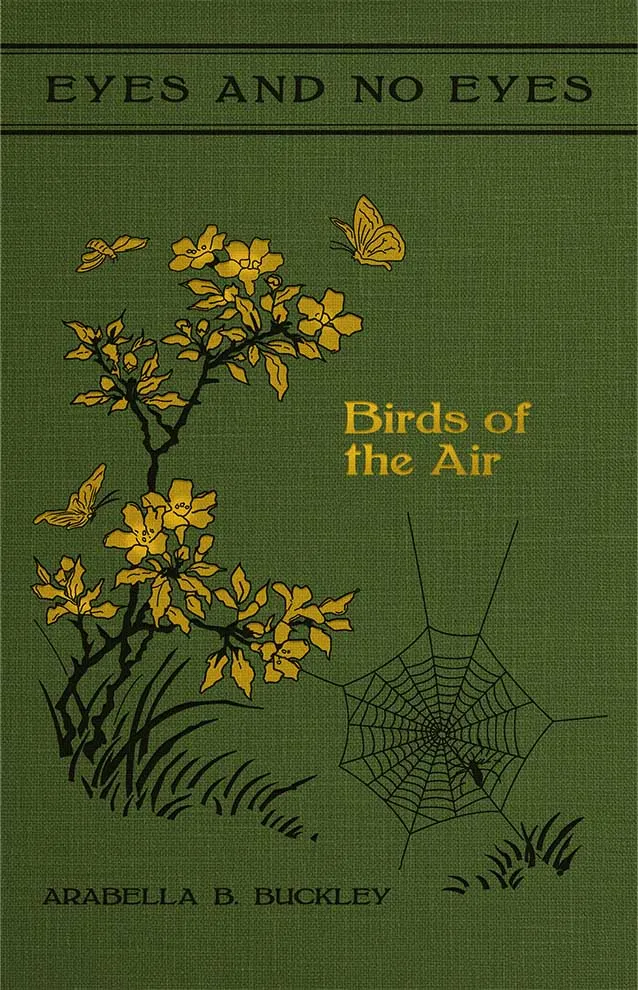
Birds of the Air
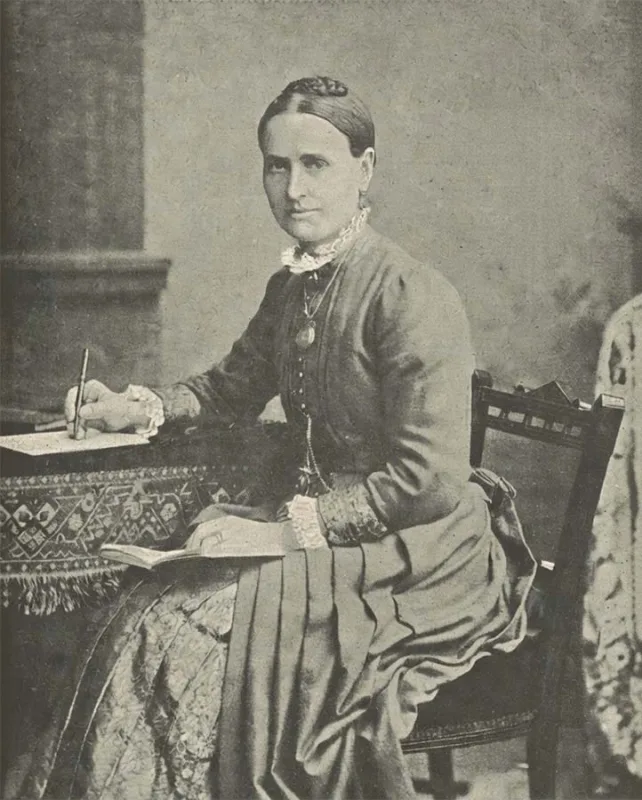
Birds of the Air, published in 1901 as the fourth volume in Arabella Buckley's beloved Eyes and No Eyes series, invites young readers into the fascinating world of birds. The book guides children to observe birds in everyday settings like home gardens, meadows, woods, and waterways.
Buckley's engaging, conversational narrative style encourages attentive listening to bird songs, watching behaviors, and noticing seasonal changes, transforming ordinary outdoor moments into opportunities for wonder and discovery. The book covers a wide variety of bird life, beginning with common garden birds, then moving to songbirds, birds of prey, water birds, and more. Topics include nests and nest-building, eggs, hatching and raising young, feeding habits, sleeping places, migration, predators, songs, and adaptations across seasons.
- Introduction1:21
- Preface1:12
- Birds We Know4:47
- The Song of Birds5:47
- The Nests of Birds12:52
- Birds' Eggs6:25
- Baby Birds5:34
- Birds Feeding Their Young5:42
- Where Do Birds Sleep?5:30
- Feeding in Summer6:42
- Migrating in Autumn5:17
- Bird-Food in Winter5:40
- Other Small Birds5:13
- Birds of Prey6:01
- Rooks and Their Companions6:06
- Web-Footed Birds7:07
- Bird Enemies4:30
- Paideia Closing0:44
Chapter-by-chapter navigation, listening progress, and bookmarks are available in the member library.
Next in the Series
Trees and Shrubs
Trees and Shrubs , the fifth volume in Arabella Buckley's acclaimed Eyes and No Eyes series, continues the delightful exploration of nature…
Audiobook · 1901
Wild Life in Woods and Fields
Wild Life in Woods and Fields was published in 1901 as the first volume in Buckley's Eyes and No Eyes series. It is a charming children's…
Audiobook · 1901
Insect Life
Insect Life , the sixth and final volume in Arabella Buckley's beloved Eyes and No Eyes series, concludes the children's exploration of the…