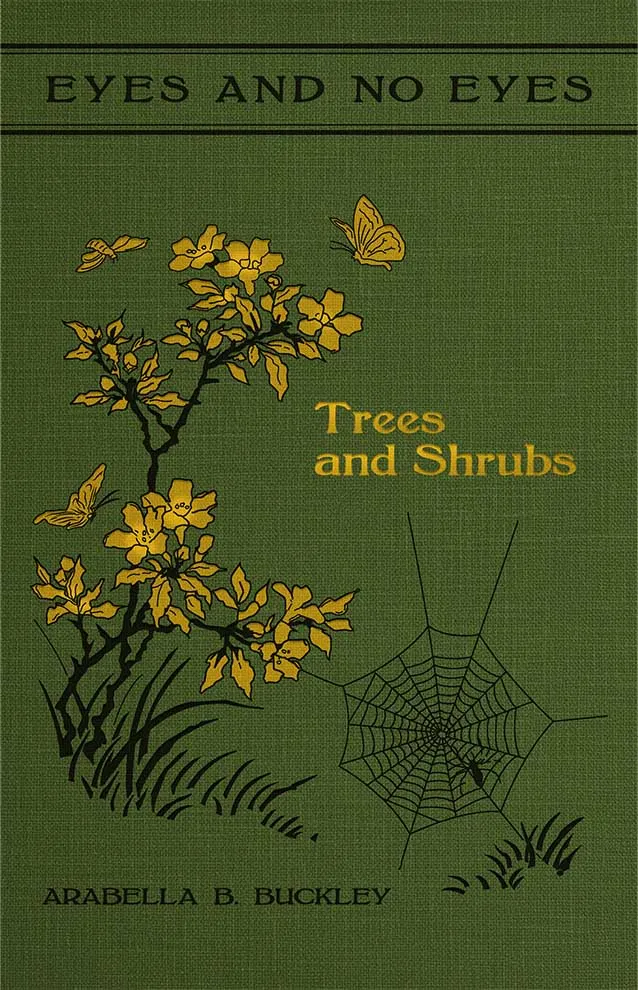
Trees and Shrubs
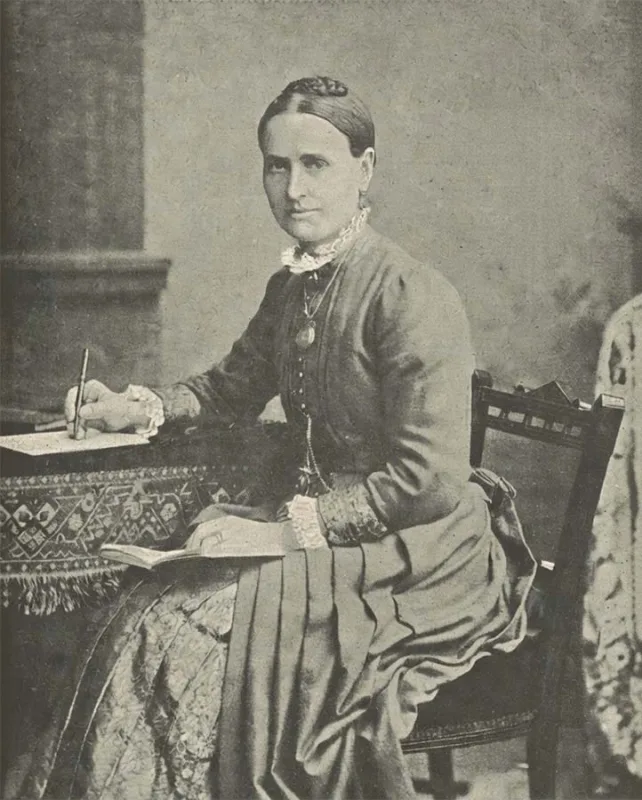
Trees and Shrubs, the fifth volume in Arabella Buckley's acclaimed Eyes and No Eyes series, continues the delightful exploration of nature for young readers. It observes and discusses trees and shrubs in everyday landscapes such as woods, hedgerows, gardens, parks, and fields. Buckley's engaging, conversational narrative encourages children to appreciate the profound usefulness of trees to people and the environment, while prompting them to notice details like growth patterns, seasonal changes, and the life they support, all in her signature style that blends wonder with gentle scientific insight.
The book delves into how trees begin from seeds or shoots and grow year after year through rings and bark; it examines a detailed study of the oak tree, including its structure, flowers, fruits (acorns), leaves, and the animals and insects that depend on it. Contrasts are drawn with cone-bearing evergreens (pines and firs), as well as common hedgerow, garden, and park trees and shrubs, covering topics such as reproduction, pests, leaf shapes and positions, flowers, and their roles in providing timber, shade, moisture retention, and habitat.
- Introduction1:19
- Preface1:13
- The Value of Trees6:32
- How a Tree Starts6:52
- How a Tree Grows - The Horse-Chestnut6:27
- Trees with Catkin Flowers6:34
- The British Oak6:55
- Guests of the Oak6:40
- The Beech and the Sweet Chestnut7:00
- Trees Which Bear Cones7:57
- Hedgerow Shrubs and Trees6:35
- Garden Shrubs in Bloom7:16
- The Ash and the Elm6:41
- In the Park7:17
- Leaves - Their Shape and Position7:25
- Paideia Closing0:44
Chapter-by-chapter navigation, listening progress, and bookmarks are available in the member library.
Next in the Series
Insect Life
Insect Life , the sixth and final volume in Arabella Buckley's beloved Eyes and No Eyes series, concludes the children's exploration of the…
Audiobook · 1901
Wild Life in Woods and Fields
Wild Life in Woods and Fields was published in 1901 as the first volume in Buckley's Eyes and No Eyes series. It is a charming children's…
Audiobook · 1883
Home Education
Home Education is a foundational work of educational philosophy and practical guidance, originally delivered as lectures to parents and…