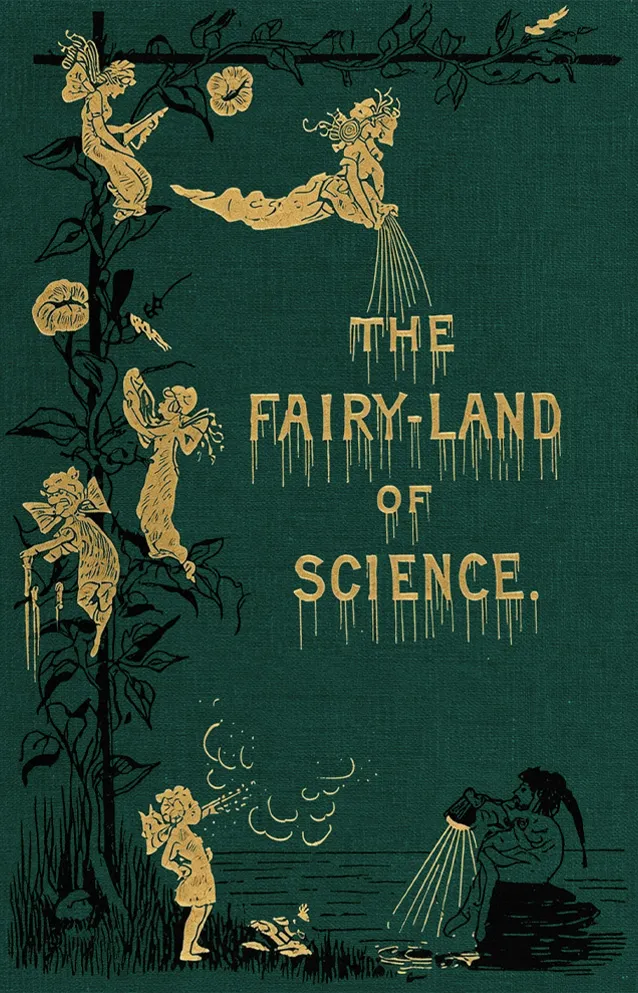
The Fairy-Land of Science
The Fairy-Land of Science is a delightful collection of lectures originally delivered to children, reimagining science as a realm of wonder, poetry, and invisible "fairies" at work in nature. Buckley challenges the notion that science consists of dry facts by inviting readers to enter its enchanting domain through imagination, careful observation, and curiosity. She reveals how everyday phenomena—sunbeams, the air we breathe, a drop of water—are governed by hidden forces and processes full of beauty and marvel, much like characters in fairy tales. The book encourages young people (and adults) to explore the natural world with fresh eyes, blending scientific explanation with vivid, accessible storytelling to spark a lifelong love of learning.
The chapters cover a range of physical and natural wonders: the work of sunbeams and light; the "aerial ocean" of the atmosphere; the journeys of a drop of water; the sculpting powers of water and ice; how we hear the voices of nature (sound); the life cycle of a primrose; the history of a piece of coal; and the fascinating societies of bees in the hive and their relationships with flowers. Through these topics, Buckley weaves in principles of physics, chemistry, botany, and entomology, always emphasizing the interconnectedness and poetry of the natural world. Her warm, engaging style has made it a beloved classic for nature study, showing that science is not opposed to imagination but deeply enriched by it.
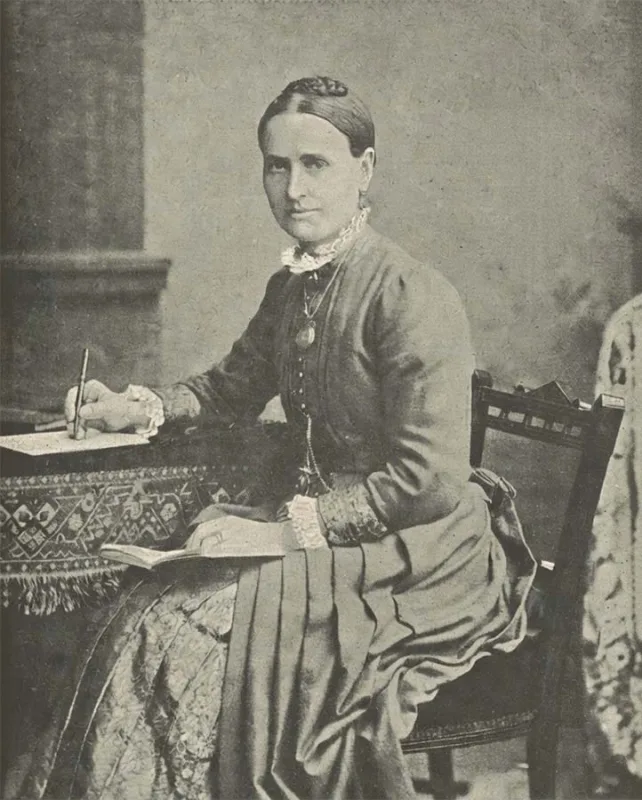
- Paideia Introduction2:30
- Author's Preface1:35
- The Fairy-Land of Science — How to Enter It; How to Use It; and How to Enjoy It40:38
- Sunbeams, and the Work They Do36:43
- The Aerial Ocean in Which We Live34:17
- A Drop of Water on Its Travels39:59
- The Two Great Sculptors — Water and Ice38:39
- The Voices of Nature, and How We Hear Them39:11
- The Life of a Primrose31:57
- The History of a Piece of Coal30:55
- Bees in the Hive29:15
- Bees and Flowers38:24
Chapter-by-chapter navigation and listening progress are available in the member library.
Audiobook · 1901
Wild Life in Woods and Fields
Wild Life in Woods and Fields was published in 1901 as the first volume in Buckley's Eyes and No Eyes series. It is a charming children's…
Audiobook · 1901
By Pond and River
By Pond and River released in 1901 as the second volume in Arabella Buckley's beloved Eyes and No Eyes series, continues the gentle,…
Audiobook · 1901
Insect Life
Insect Life, the sixth and final volume in Arabella Buckley's beloved Eyes and No Eyes series, concludes the children's exploration of the…