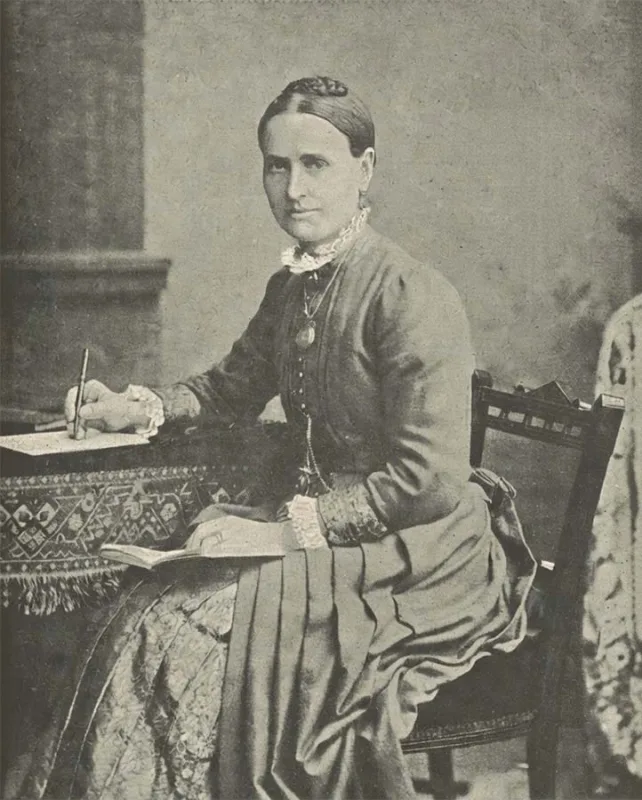
Arabella Buckley
Secretary to one of the great geologists of the age, who spent the rest of her life persuading children that science is not a bundle of dry facts.
All six volumes are in the CollectionWho was Arabella Buckley?
Arabella Buckley (1840–1929) was an English science writer who learned her science at the elbow of the man who taught it to Darwin's generation. At twenty-four she became secretary to the geologist Sir Charles Lyell, and stayed eleven years, until his death in 1875 — years spent inside the inner circle of Victorian science. Darwin himself wrote to console her when Lyell died.
She then turned all of it outward, and towards children. The Fairy-Land of Science (1879) explained gravity, light and chemistry as forces every bit as marvelous as anything in a fairy tale. The six volumes of Eyes and No Eyes (1898–1901) are smaller and closer to home: the woods, ponds, gardens and hedgerows within a walk of the house, taken one season at a time. In the early volumes three children — Peter, Peggy and Paul — do the walking.
“Most of you probably look upon science as a bundle of dry facts… I hope to prove to you that science is full of beautiful pictures, of real poetry.” The Fairy-Land of Science
The title is the whole argument. Two children go down the same lane; one comes back having seen nothing, the other having seen everything.
The woodpecker, the squirrel, the humble bee — each is given a home, a family, an enemy. There is a chapter called The Mole and His Home, and another called The Skylark and her Enemy. Nothing in these books is a specimen.
Nothing here is exotic. A pond, a garden bed, the trees on the way to school — which is what makes the books usable the moment you finish them.
Arabella had spent eleven years among scientists. She wrote for children without once talking down to them.
Every volume below is an audiobook in the Collection.
Six volumes · 8 hours · ages 4–11 · included with membership
$15 a month · $149 a year · cancel anytime
Eyes and No Eyes
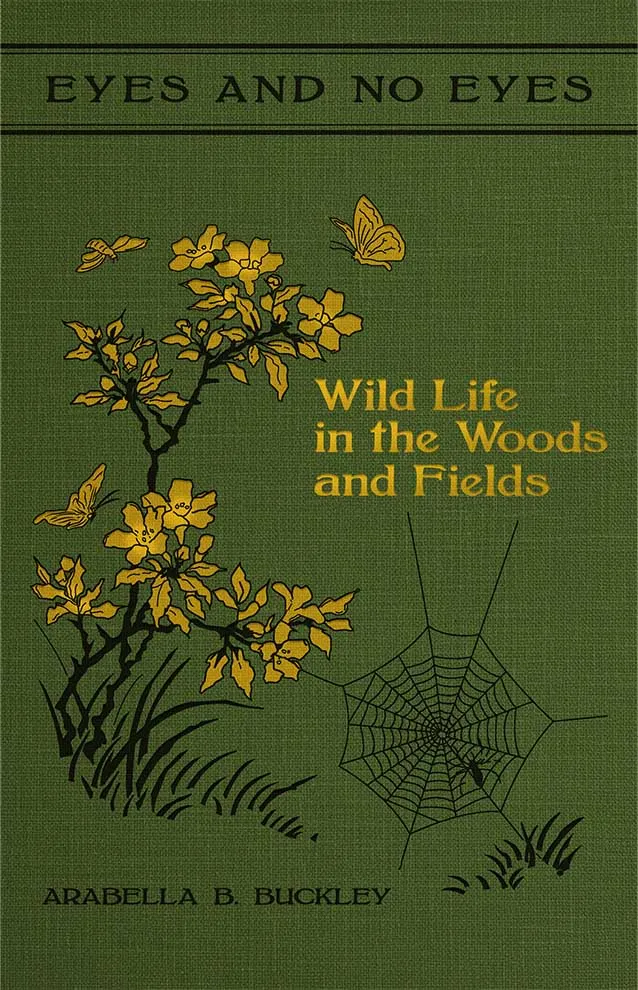
The first walk out — woods, fields and the path to school, across a whole turning year.
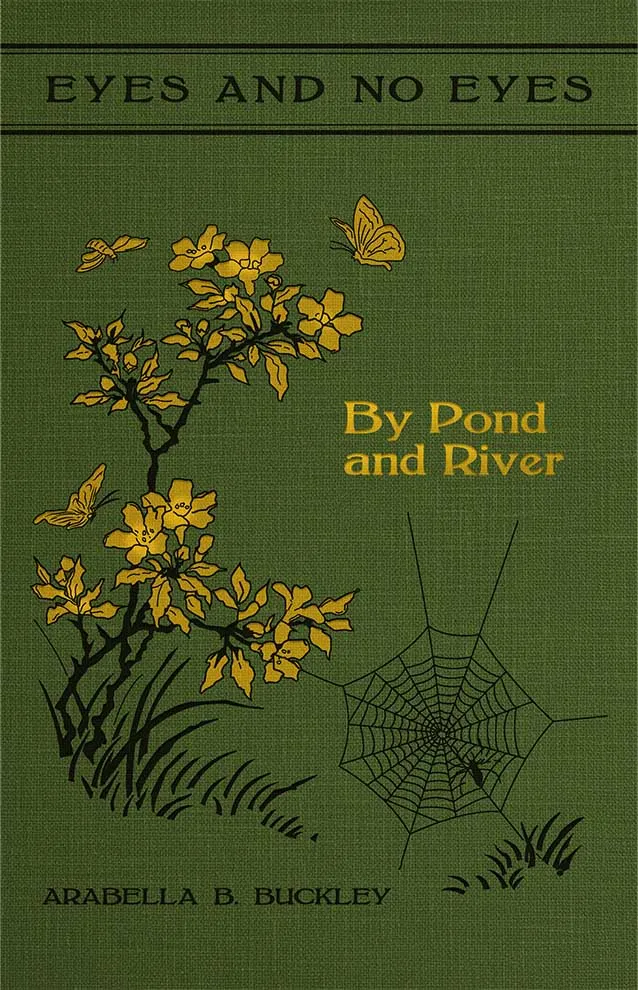
Ponds, streams and the banks beside them: what lives in the water, and what comes down to drink.
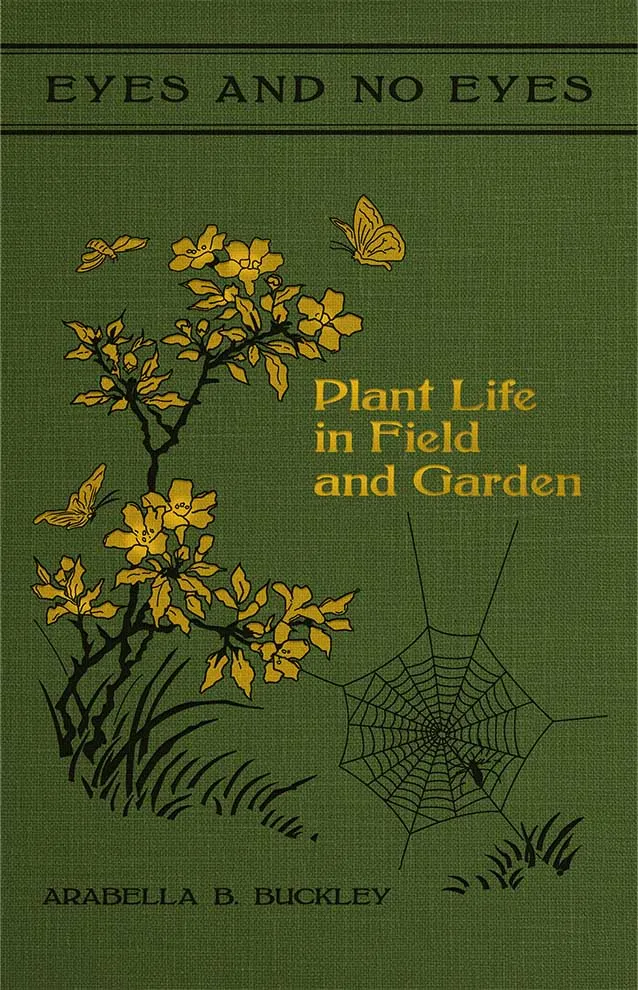
Field and garden, from the weeds underfoot to the crops in the row — where botany quietly begins.
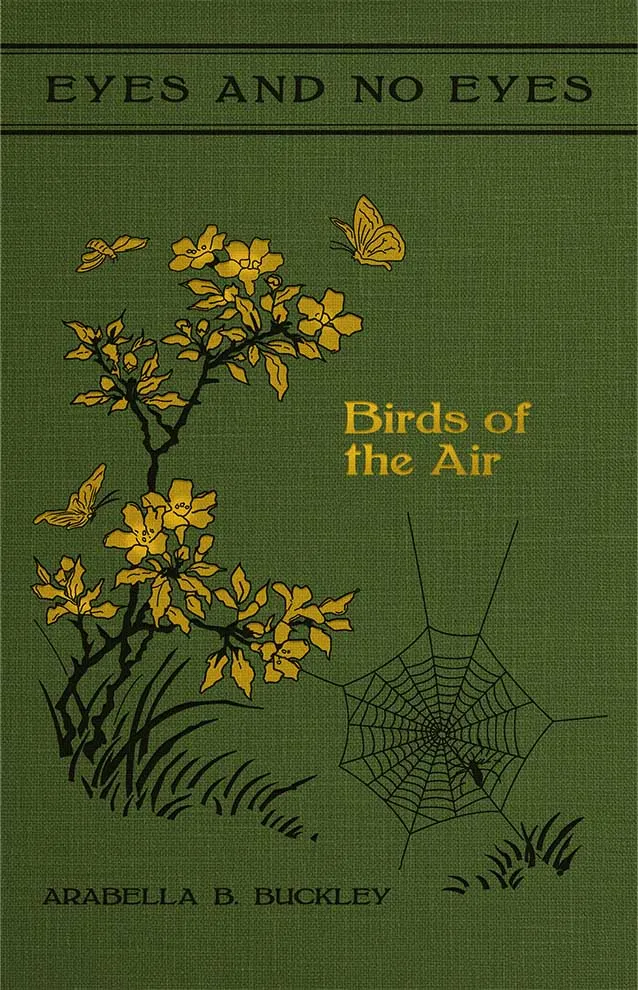
Birds in the places children actually meet them: the garden, the meadow, the hedge, the water.
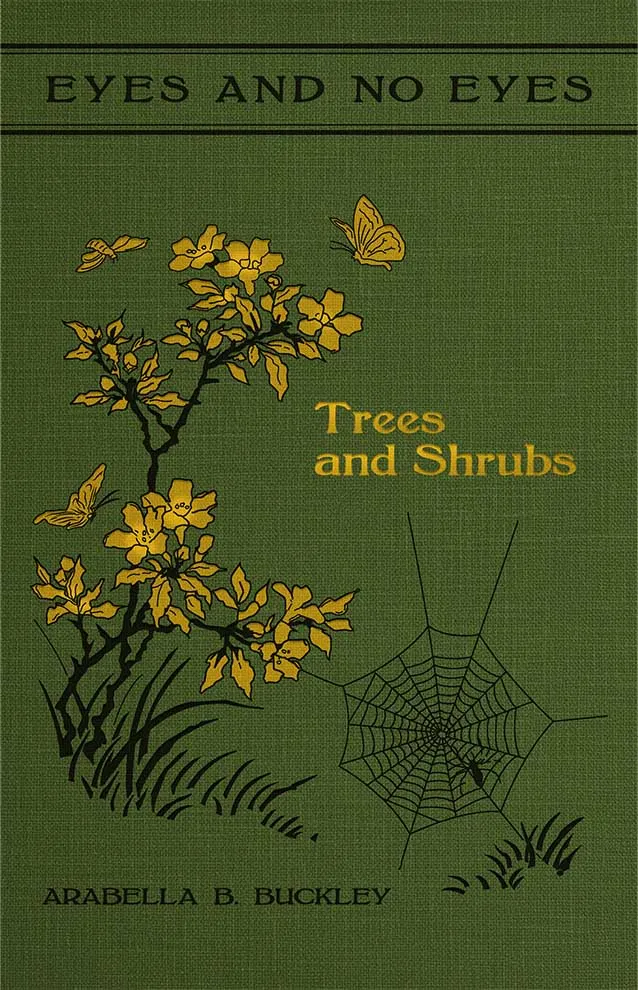
Trees and shrubs in woods, hedgerows and parks — how they grow, and all that lives on them.
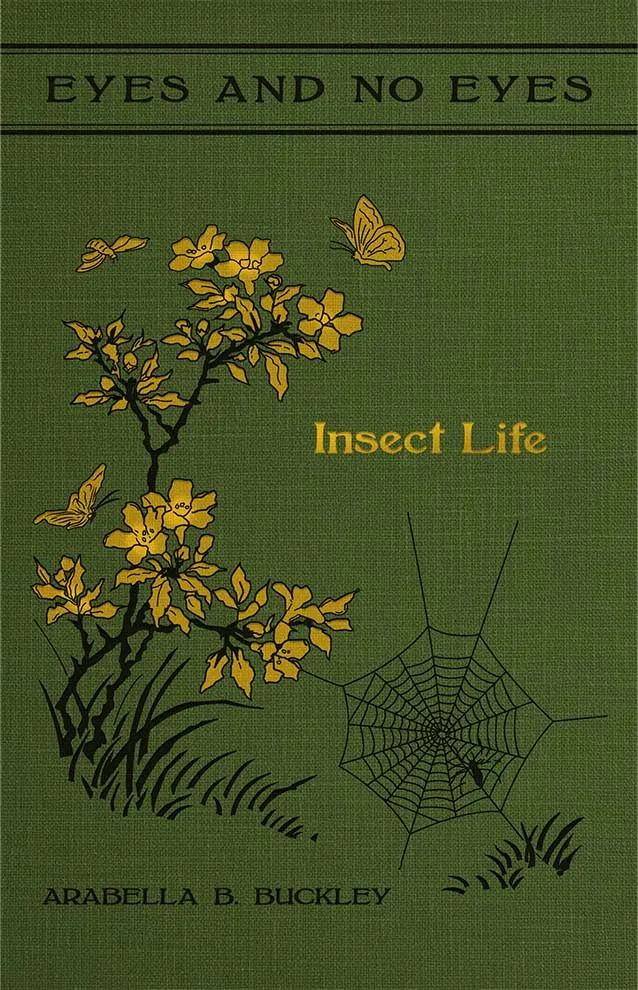
The last volume, and the one children ask for first: beetles, bees, butterflies and the rest.
Where should I start?
The six are a sequence, but each one stands on its own. Start where your window looks out.
Where the three children first go out and the habit of looking begins — spiders on the common, a woodpecker's nest, a family of squirrels. The kind of forty-nine minutes that ends with someone asking to go outside.
Begin with Volume I →A pond, a ditch, a slow stretch of river. The volume most likely to send a child outside searching for tadpoles and water-bugs.
Begin with Volume II →Beetles, bees, butterflies and the rest. Buckley wrote it last, but it is the one many children reach for first, and nothing in it depends on the five before.
Begin with Volume VI →If you don't know where to start, start with Volume I. It is where the looking begins, and the woods it describes are near enough to your own that a child can go out and explore for themselves.
Questions people ask
The things most often searched about Buckley, answered plainly.
Who was Arabella Buckley?
An English science writer (1840–1929) who spent eleven years as secretary to the geologist Sir Charles Lyell, then wrote the science she had learned at his side for children. Her best-known books are The Fairy-Land of Science and the six-volume Eyes and No Eyes nature series.
What is the Eyes and No Eyes series?
Six short nature-study books published between 1898 and 1901, covering woods and fields, ponds and rivers, plants, birds, trees and insects. The early volumes follow three children — Peter, Peggy and Paul — on walks near home; the later ones take each subject in turn. The title is the point: two children walk the same lane, and only one comes home having seen anything.
What age are these for?
Four to eleven. They are written to be read aloud and they assume nothing — every plant and creature is introduced as the children meet it. Older children listening on their own still find plenty in them.
How long are they?
Eight hours for all six together. Wild Life in Woods and Fields runs forty-nine minutes and Insect Life an hour and thirty-eight. The chapters stand on their own, so one fits a car journey and a volume fits an afternoon.
Is Victorian nature writing still accurate?
The observation is. A hedgerow in 1901 behaves much as one does now, and Buckley was trained by a scientist and wrote carefully. Some classification and terminology has moved on in the century since, as you would expect. What the books teach is how to look, and that does not date.
Eighteen pages to color
Three for every volume — original companion material produced by the Paideia team, from the creatures and plants the children meet in the book.
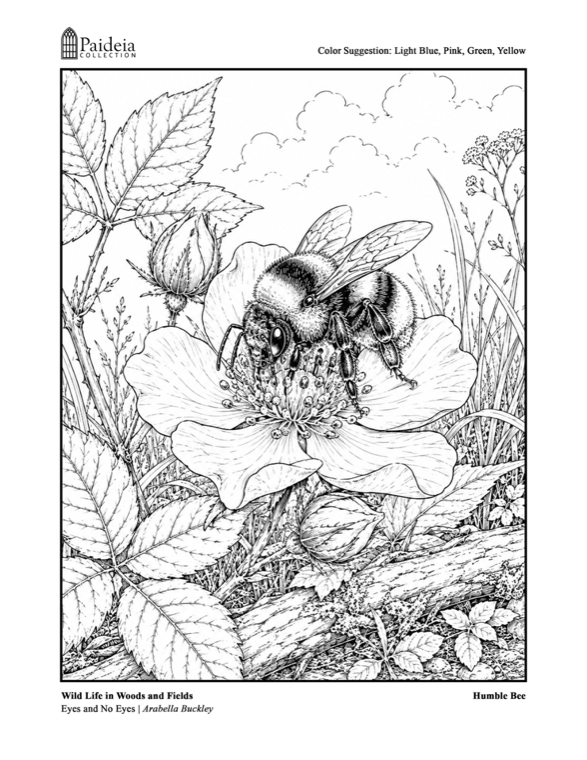
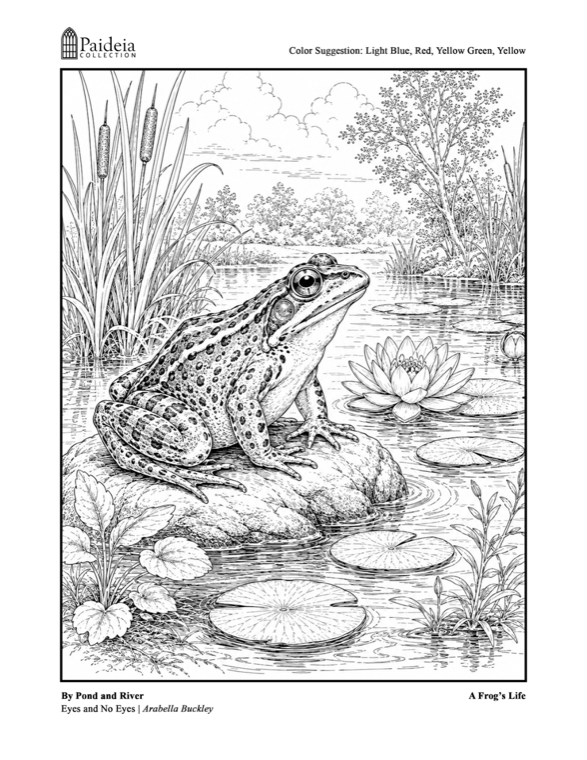
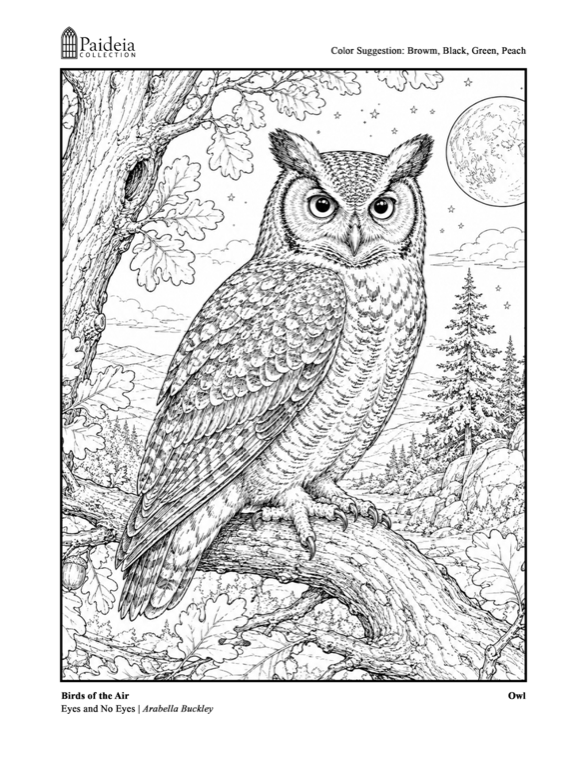
Buckley’s whole argument is that children see more when someone asks them to look. A page to color asks exactly that: the shape of a wing has to be noticed before it can be filled in. Each sheet carries a suggested palette in the corner — so the colors can be true and accurate.
Teach them to really see
All six volumes of Eyes and No Eyes, alongside a growing library of classic titles for the whole family.
Eight hours across six volumes, for ages four to eleven — and the rest of the Paideia Collection also included in your membership.
$15 a month · $149 a year